[ORIGINAL VERSION OF THE EPISODE IN ENGLISH]
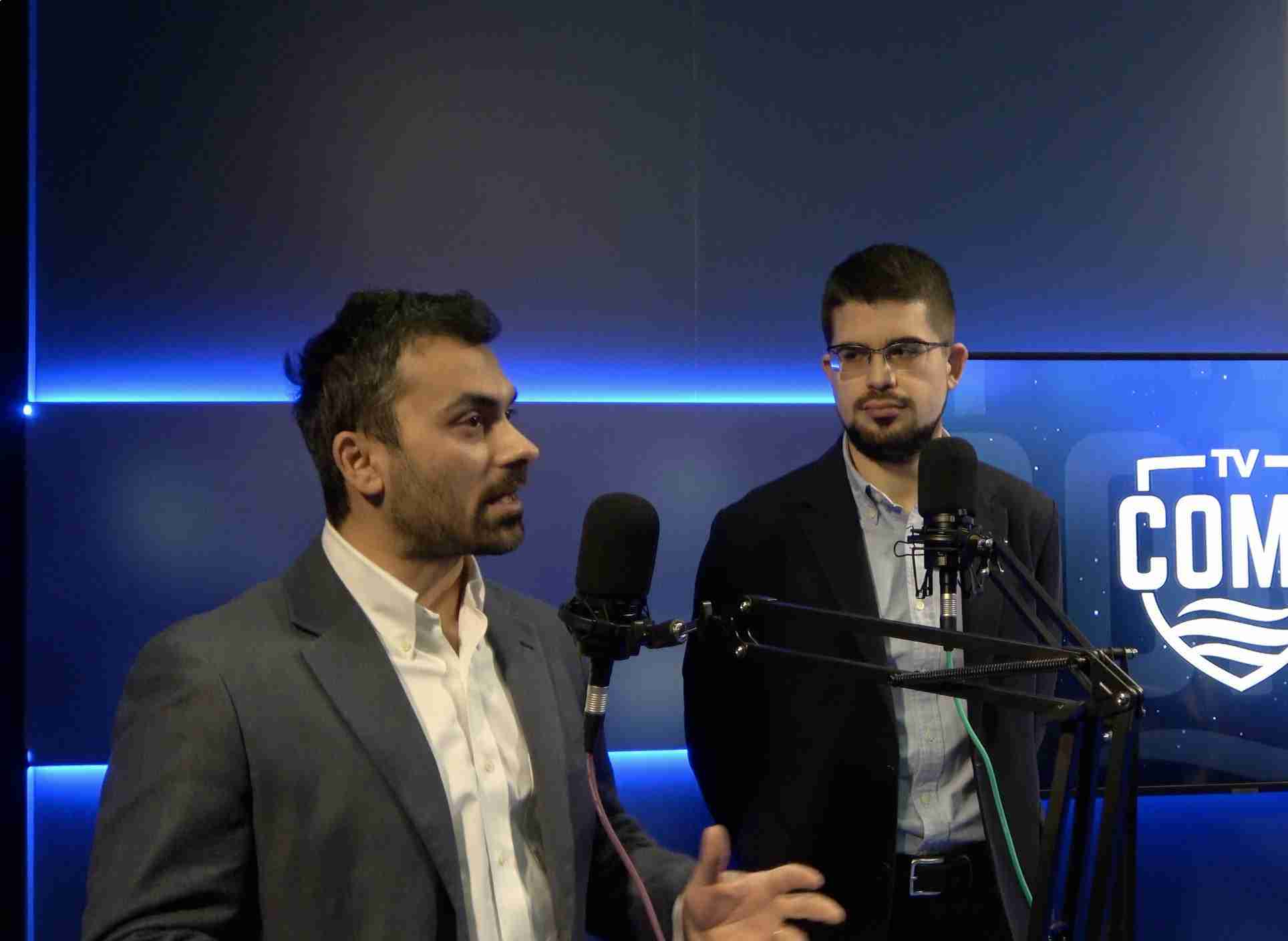
Here we are with a special episode. Together with Rodolfo Cavaliere, today at our microphones we have Ian Hughes, a UEFA Pro License Coach and Coach Educator who has worked for Football Association of Wales, FAW Trust and as Manager of Aberystwyth Town FC.
Ian currently works at Steel Sport, where he is carrying out an incredible project based on free play. As Ian says “Free play is such an integral part of the Steel Soccer curriculum. Allowing players to explore and be creative”. For them, free play is a must, a tool for athletes and young men to grow for real. Today we’d like to highlight the importance of this kind of project.
But first we advise you to settle down by reading this article: https://www.psychologytoday.com/intl/blog/freedom-learn/202111/the-team-coached-themselves-won-the-tournament
Yes, that’s right, Ian chose to take his team, already trained using Free Play, into a structured competition and guess what, the team won the tournament. Without him.We asked Ian why he made this choice…
Hear what he replied and enjoy this incredible episode!
Allenare con il gioco libero è possibile? Ecco l’esempio di Ian Hughes
Una puntata speciale con ospiti speciali. Insieme a Rodolfo Cavaliere, oggi ai nostri microfoni abbiamo Ian Hughes, allenatore e formatore allenatore della UEFA Pro License che ha lavorato per Football Association of Wales, FAW Trust e come manager dell’Aberystwyth Town FC.
Ian attualmente lavora presso Steel Sport, dove sta portando avanti un incredibile progetto basato sul gioco libero. Come afferma Ian “Il gioco libero è una parte integrante del percorso di Steel Soccer. Il gioco libero consente ai giocatori di esplorare e poter essere creativi”. Per loro il gioco libero è d’obbligo, uno strumento per far crescere gli atleti e i giovani. Oggi vorremmo sottolineare l’importanza di questo tipo di progetto.
Ma prima vi consigliamo di ambientarvi leggendo questo articolo: https://www.psychologytoday.com/intl/blog/freedom-learn/202111/the-team-coached-themselves-won-the-tournament
Si, proprio così Ian ha scelto di portare la sua squadra, già allenata usando il Gioco Libero, in una competizione strutturata e indovinate un po’, la squadra ha vinto il torneo. Senza di lui.
Abbiamo chiesto a Ian perché ha fatto questa scelta…
Sentite cosa ci ha risposto e godetevi questo episodio incredibile!